
WEDA
Service Providers
Women-led agritourism businesses in the Dibër highlands ready to welcome you.
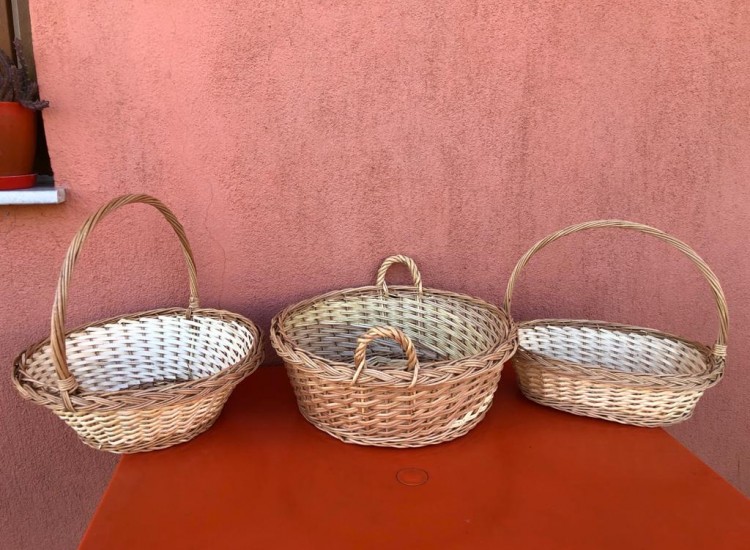
Arben Vraniçi
Arben Vraniçi is another well-known artisan from the city of Peshkopia, renowned for his unique and ancient craft: weaving baskets from willow branches. Arben is one of those artisans who continues to keep this traditional craft alive, creating baskets and other everyday items from willow. Weaving baskets from willow is an art that requires patience and fine technique. Arben possesses an extraordinary skill in weaving the branches into beautiful and functional forms. He begins by preparing the materials—the dried willow branches—which must be clean and suitable for weaving. Using simple tools and his hands, he builds the baskets employing a fine weaving technique that demands dedication and precision. One of the most notable aspects of Arben’s work is his commitment to preserving and adapting the tradition of willow weaving for younger generations. He frequently participates in events and exhibitions, where he showcases his art and shares the history of this craft. For Arben, basket weaving is an opportunity to preserve the cultural identity and heritage of Peshkopia, while also helping to raise awareness within the community about the importance of safeguarding these ancient crafts. In a city like Peshkopia, where traditions and folk customs run deep, Arben is one of those artisans who contributes to the preservation of the city’s material and spiritual culture, passing down his mastery and helping future generations understand and appreciate the significance of willow craftsmanship.
Peshkopi
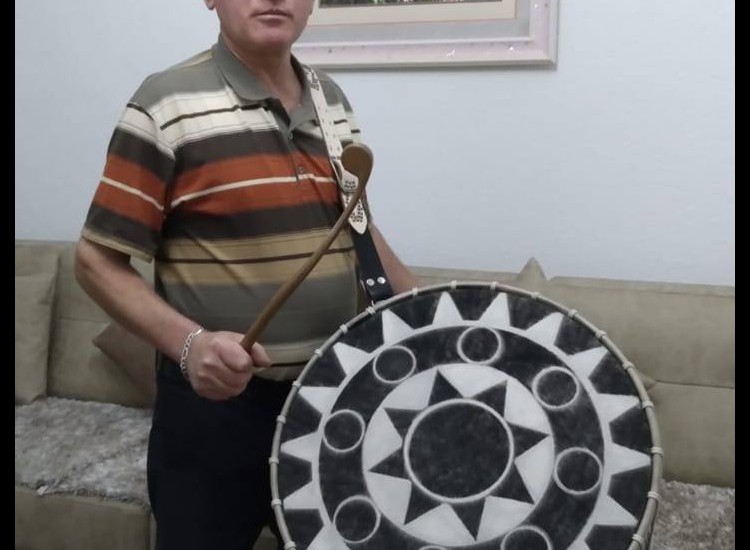
Rahim Çaushi
Rahim Çaushi is another highly regarded artisan from Peshkopia, specializing in the creation of traditional toys, with a particular emphasis on crafting the iconic drum (daulle). A true master of his craft, he uses simple yet high-quality materials, such as wood and leather, to create these instruments, which hold deep cultural and emotional significance within the community. The process of crafting a daulle requires great precision and care, and Rahim has skillfully preserved and adapted this art form for contemporary times.The materials Rahim chooses are entirely natural. For the drum's body, he selects strong and durable wood, which he meticulously carves and shapes by hand, giving it a refined and elegant form. The drumhead, made from leather, is carefully stretched and fitted over the wooden frame, enhancing its distinctive sound. This combination of wood and leather not only serves practical purposes but also contributes to the unique tonal quality that sets this drum apart.For Rahim, creating these drums is more than just a craft—it's a mission to bring a piece of cultural heritage into the present day and ensure that the rich musical and artisanal traditions of Peshkopia continue to thrive and be passed down to future generations.
Peshkopi
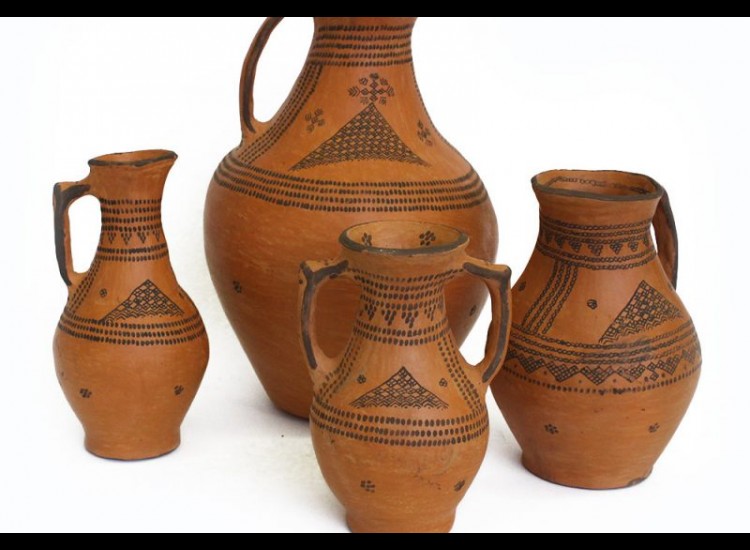
Mariglen Gjurra
Mariglen Gjura is a distinguished artisan from the city of Peshkopia, recognized as the sole master of pottery in the town. He continues an ancient tradition of craftsmanship, creating various clay objects with skill and care. All of his products are handmade, employing time-honored and refined techniques passed down through generations.In addition to traditional methods, Mariglen adds a unique, personal touch to each creation, imbuing it with individuality. His work includes a diverse range of items, such as cooking vessels, vases, cups, and other forms, each bearing a distinct design. His pieces often feature motifs from nature, including flowers, leaves, and elements that reflect the cultural heritage and traditions of the region. A central aspect of his craft is the preservation and promotion of the pottery tradition, a skill that has been integral to the region for centuries but is now at risk due to modern life’s rapid changes. Mariglen views his work as a mission to safeguard the cultural identity of Peshkopia. In a town like Peshkopia, he stands as a key figure, passionately and devotedly continuing to offer the community the invaluable gift of artisanal craftsmanship, preserving a vital part of their heritage.
Peshkopi
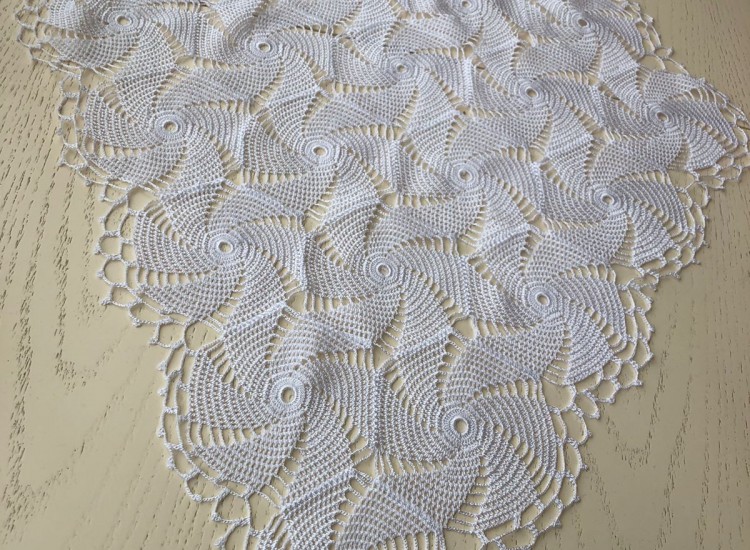
Zarie Suli
Zarie Suli is one of the few women from Dibra known for her talent in crocheting, centering, and embroidery with stones, creating works of art that reflect the beauty and tradition of the Dibra region. She uses the richest natural materials and traditional craftsmanship to create detailed panoramas that convey color, life, and history. Her crocheted pieces are finished with exceptional precision and finesse, while her centered and embroidered works are filled with intricate stone-stitched details that give them a unique touch. Zarie's commitment to preserving and promoting traditional arts, through the use of modern technologies and natural materials, has made her creations highly valuable, expressing a deep connection with the identity and heritage of this area.
Diber, Peshkopi
Valentina Balliu
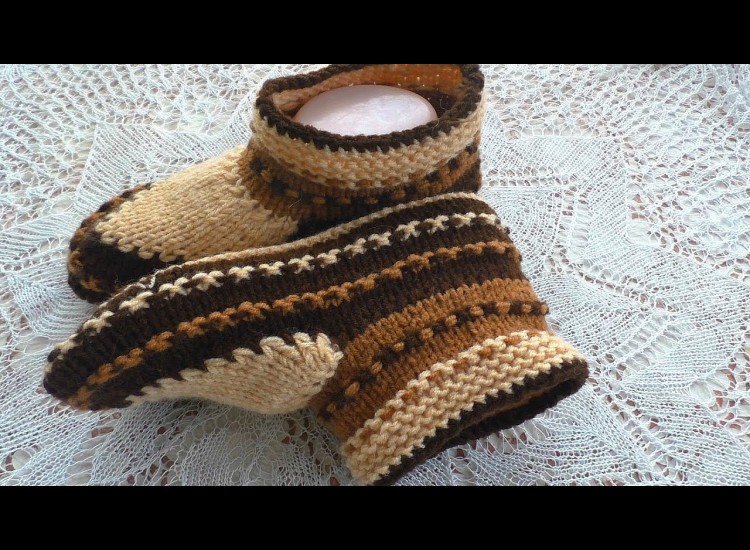
Valentina is a master craftswoman in the art of hand-knitting socks and sweaters, a craft she has learned and practiced with passion. Valentina lives in the village of Kastriot, a place known for its rich cultural and artisanal heritage. She has dedicated most of her life to preserving and developing this ancient craft, making hand-knitting socks and sweaters a true art form, closely linked to the tradition and nature of the village where she lives. Hand-knitting socks and sweaters, a process that requires patience, skill and dedication, starts with a simple resource such as cotton or wool yarn, which can be natural or dyed in different colors or fabricated to allow for the creation of different patterns and designs.Valentina uses natural yarn, which is stronger and has a longer lifespan. The yarn can be wool, cotton, or a mix of both, depending on the pattern she is creating, with the main tools she uses being needles.The hand-knitting process begins with the use of needles, a tool that has two small teeth, and which allows the craftsman to work the yarn to shape and create different shapes. Valentina begins by forming the toes of the socks or the body parts of the sweater by holding the yarn by hand, a process that requires careful and precise movements to create the desired structure.For the socks, she starts at the little toe or the first toe and slowly works her way up to form the entire rest of the sock. Each needle is inserted and removed in an elaborate manner, and each pass of yarn is a part of Valentina’s passionate work. This can take several hours, depending on the complexity of the design and the size of the product she is working on.In the village of Kastriot, Valentina Balliu is not only a master of hand-knitted socks and sweaters, but also a keeper of an ancient craft that has been threatened by modernization. With her work, she is an example of how heritage can be preserved and adapted to the times, making this craft live and spread to new generations. Through Valentina’s passion and dedication, the village continues to be a rich source of handicrafts and a place where tradition does not die but is constantly renewed.
Peshkopi , Kastriot
Vasfie Skuka
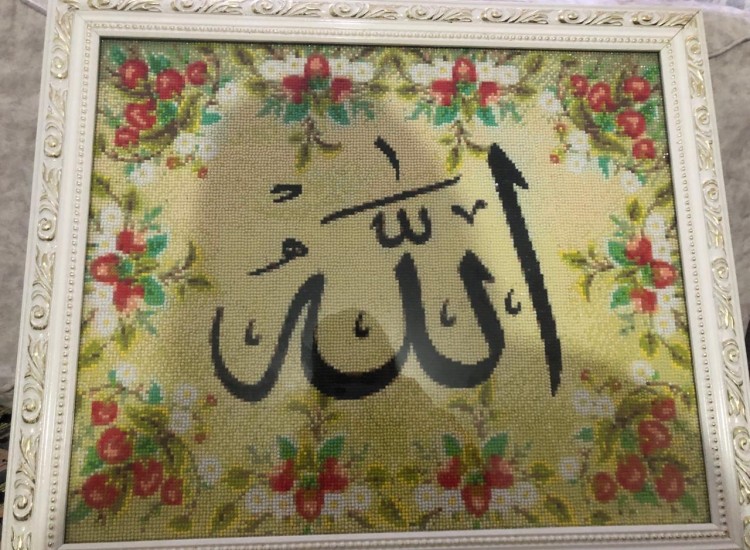
Vasi is a strong, talented and dedicated woman who lives in the beautiful village of Hotesh, a place known for its stunning nature and rich traditions. She is a distinguished artisan who with a warm soul brings beauty to every space with her handmade works, which include a wide range of crafts, such as crochet, knitwear, scarves and various embroidery.Embroidering wall pieces with beads, stone and thread is a special and very rich craft technique, which constitutes a rare and almost forgotten talent. This ancient tradition has had great importance in many cultures, where each work reflected a deep connection with nature and an extraordinary mastery of combining different elements such as stone, thread and color. Even though this technique has risked being lost over time, Vasfie Skuka, with her inexhaustible passion and dedication, has revived this art and transformed it into a work of art that will never die. Vasfie revives this ancient art with a fresh spirit and a new approach, preserving the heritage and ensuring that this rare and almost extinct talent survives for future generations. With each piece of work she creates, she shows that this craft will never die, because its beauty and value are eternal. Vasfie has a deep passion for craftsmanship, inherited this passion from previous generations, transforming her into a true master. With skilled hands and a keen eye for detail, she creates unique works that reflect beauty and simplicity. Through her work, Vasfia brings the art of tradition to life and adapts it to modern tastes, becoming an inspiration to young people who want to preserve the culture and craftsmanship of the craft. She is known for her willingness to learn and help others, serving as a leadership figure in her community.
Hotesh, Peshkopi